







Search Results for: Extraction Yield Calculation
An In-Depth Analysis of Coffee Extraction: Concentration Measurement, Extraction Yield Conversion, and Calculation Methods for Various Brewing Devices
Coffee extraction is the key step that determines flavor. About 30% of coffee beans consists of soluble substances, including both aromatic components and mouthfeel-related compounds, and a higher extraction yield does not necessarily mean better quality. This article systematically introduces concentration measurement methods (refractometer, conductivity pen, evaporation and drying), explains the extraction yield conversion formula in detail, and provides specific calculation steps for different brewing devices such as immersion, pour-over, and espresso. It also includes the golden cup concentration recommendations from the SCAA and SCAE, as well as relevant product information from the Front Street Coffee brand, to help enthusiasts understand extraction more scientifically. [more…]
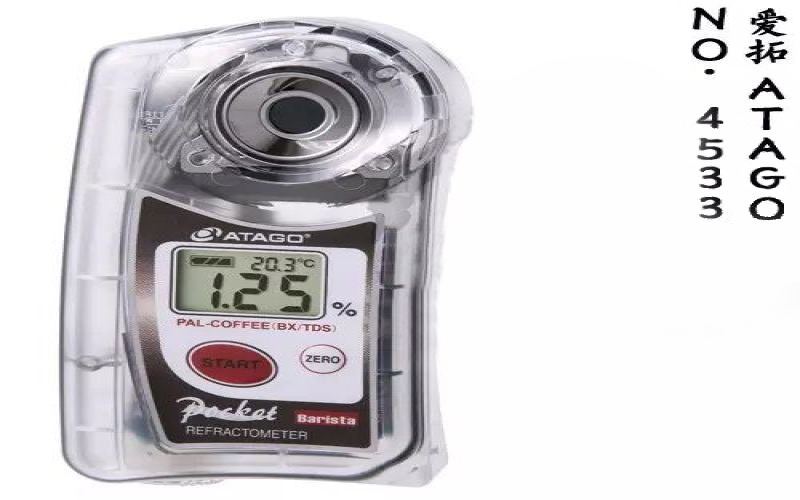
ATAGO Coffee Concentration Meter Operation Guide: A Complete Analysis from Zero Calibration to Extraction Yield Calculation
For coffee enthusiasts pursuing precise extraction, the ATAGO refractometer is a common professional tool. This article focuses on three coffee refractometers under the brand—4523, 4532, and 4533—sorting out their differences and purchasing advice, and addresses questions about accuracy comparisons with the VST LAB. Then, using the 4532 TDS model as an example, it explains step by step the practical essentials such as the unboxing checklist, battery installation, zero calibration, concentration measurement, and extraction yield calculation. The article also particularly reminds readers of easily overlooked details such as zeroing frequency, sample temperature, and cleaning taboos. If you are currently using or considering purchasing an ATAGO refractometer, this guide will help you avoid common pitfalls and make every measurement more reliable. Front Street Coffee also emphasizes the standardized use of such instruments in daily quality control. [more…]
How to determine the coffee-to-water ratio for pour-over coffee? The Golden Cup extraction yield and strength calculation and practical methods to avoid over-extraction
Many coffee enthusiasts have encountered this confusion: for the same beans, why does the taste always differ between what you brew yourself and what a Front Street barista brews? In fact, this involves two core concepts—extraction yield and concentration. This article, based on the daily experience of Front Street Coffee (FrontStreet Coffee), systematically explains what coffee extraction yield is, how to measure extraction yield using a TDS concentration meter, and the conversion relationships in the SCAA Golden Cup standard among 18%–22% extraction yield, 1.15%–1.35% concentration, and a 1:12–1:15 coffee-to-water ratio. The article also reviews the historical origins of the Golden Cup theory and, using Front Street's brewing of Panama Elida Natural Typica as an example, provides complete staged pouring parameters and the extraction yield calculation process, helping you brew a cup of pour-over coffee at home that is not over-extracted and has a pleasing flavor. [more…]
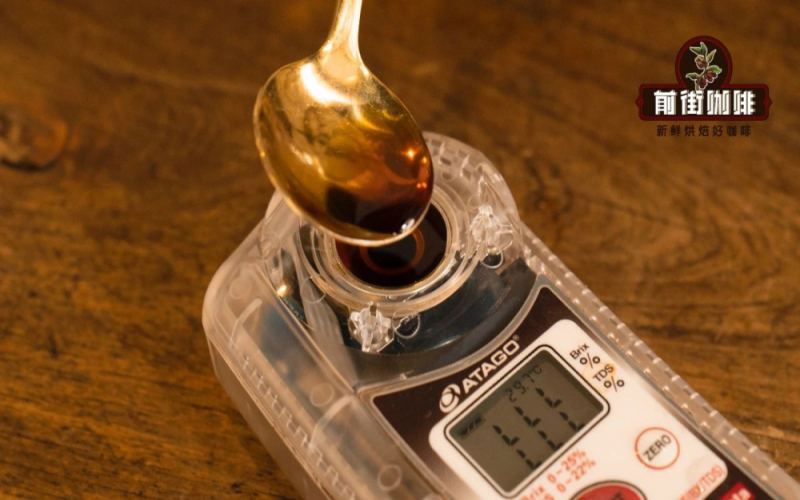
Analysis of the SCA Golden Cup Extraction Standard: The Calculation Logic and Practical Demonstration of Pour-Over Coffee Concentration and Extraction Yield
The Golden Cup extraction system is a quality reference framework widely recognized in the global coffee industry, and its core lies in controlling the concentration and extraction yield of the coffee liquid within a specific range. Compiled by FrontStreet Coffee, this article systematically reviews the origins of the Golden Cup standard and the differences in national standards, explains in detail the formulas for extraction yield and concentration, and uses a VST refractometer and a brewing example with Ethiopia Huakui 4.0 to demonstrate how to measure concentration and calculate extraction yield. At the same time, the article also discusses the influence of the pour-over coffee grounds-to-water ratio on flavor, gives a recommended ratio of 1:15 suitable for most bean varieties, and helps coffee enthusiasts build a quantifiable approach to brewing adjustments. [more…]
The Origin and Calculation Method of the Golden Cup Extraction Standard: How Extraction Yield and Strength Define a Good Cup of Coffee
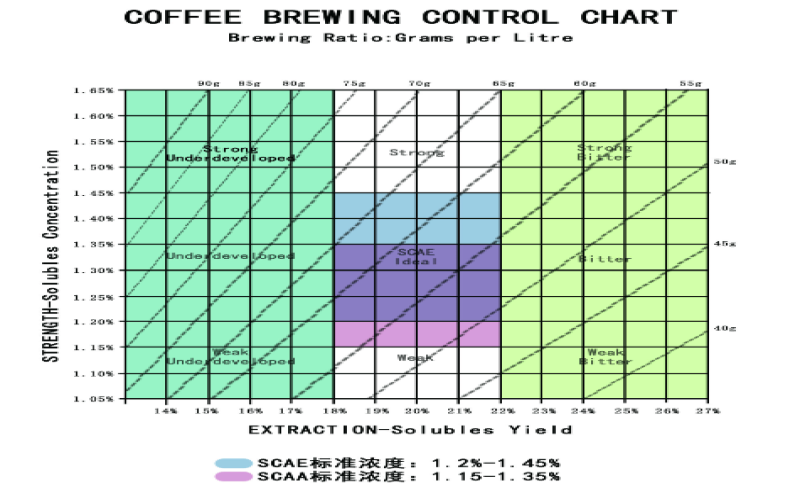
The Golden Cup extraction is a widely circulated concept in the coffee world, defining an extraction range that most people find acceptable. This concept originated from a large-scale preference survey in the United States in the 20th century, promoted by the Brewing Committee established by the American Coffee Association in collaboration with Dr. Lockhart of the Massachusetts Institute of Technology. The survey found that about 30% of coffee beans are soluble substances, while the remaining 70% are insoluble fibers. After two rounds of testing with ordinary people and coffee experts, the Golden Cup range was ultimately determined as an extraction yield of 18% to 22% and a concentration of 1.15% to 1.35%. This article will sort out the origins and development of the Golden Cup standard, the calculation methods for extraction yield and concentration, and explain why the Golden Cup range can only serve as a reference rather than an absolute standard, helping you view coffee extraction more rationally. [more…]
Gold Cup Extraction Standard Explained: Concentration and Extraction Yield Calculation Methods and SCAA Standard Ranges
In coffee brewing, how to balance flavor and avoid under-extraction or over-extraction is a concern for every coffee enthusiast. The Golden Cup standard provides a widely recognized reference framework, covering the ideal ranges for extraction yield and concentration. This article will systematically review the origins of the Golden Cup standard and the specific values set by coffee associations in various countries, explain in detail the formulas for calculating concentration and extraction yield, and, using the example of Front Street Coffee's Ethiopia Florque 4.0 pour-over, demonstrate how to measure and calculate extraction yield with an ExtractMoJo refractometer, helping you find the flavor balance point that suits you in your daily brewing. [more…]
How Is Caffeine Content Calculated? How Much Do Pour-Over and Espresso Each Contain, and How Many Cups Can You Drink Within the 400 mg Daily Limit?
Many coffee enthusiasts care about exactly how much caffeine is in a cup of coffee and how many cups they can drink a day. Front Street Coffee has previously shared the caffeine content of different coffees, but because bean varieties, doses, and brewing methods vary so widely, it is hard to generalize. Today Front Street Coffee brings a practical caffeine calculation formula so you can estimate the caffeine content of pour-over or espresso yourself. The article will break things down from the perspectives of coffee bean variety, roast level, and extraction yield, and give specific calculation examples for a single pour-over and espresso, finally combining the daily intake recommendation of 400 mg to help you plan your coffee-drinking rhythm. [more…]
Pour-Over Coffee Three-Stage Pouring Technique: A Detailed Guide to Water Distribution and Calculation for Each Stage
The charm of pour-over coffee lies in precisely controlling the extraction process through staged pouring, allowing each cup to present rich layers of flavor. This article will guide you through the basic principles of pour-over coffee, essential equipment, how to calculate the coffee-to-water ratio, and a detailed breakdown of the three-stage pouring method's specific operations and water distribution. At the same time, we'll share Front Street Coffee's brewing experience, including how to adjust parameters based on coffee bean characteristics, as well as the calculation logic and practical tips for each stage of water in the three-stage pour. Whether you're a beginner just starting out or an enthusiast looking to refine your skills, you'll find practical guidance here. [more…]
How to Determine the Coffee-to-Water Ratio for Pour-Over Coffee? A Practical Guide from Calculation to Three-Stage Pouring
The coffee-to-water ratio in pour-over coffee directly determines the strength and extraction yield of the final cup, and it is the first core parameter beginners need to master. Drawing on Front Street Coffee's brewing experience, this article first explains what the coffee-to-water ratio means and how to calculate it, then explains why water should be poured in stages, and provides a universal three-stage method suitable for beginners: 15 grams of coffee, a 1:15 ratio, 225 milliliters of total water, completed in three pours of 30, 95, and 100. The article also includes a list of equipment, bean selection advice, reference water temperature and grind size, and specific steps for using Front Street washed Yirgacheffe with a Hario V60, helping readers build a stable brewing framework. [more…]

Pour-Over Coffee Grounds-to-Water Ratio and the SCA Golden Cup Theory: Extraction Yield, Concentration Standards, and Common Misunderstandings
Brewing a good cup of coffee, the coffee-to-water ratio and extraction yield are core parameters that cannot be avoided. The SCA Golden Cup extraction theory gives an ideal range of 18%-22% extraction yield and 1.2%-1.45% concentration, but many enthusiasts easily misunderstand it as "as long as you copy the Golden Cup coffee-to-water ratio, you will definitely brew a good cup of coffee." This article starts with a simple calculation of the coffee-to-water ratio, guides you to understand the meaning of the Golden Cup extraction range, clarifies the boundary between over-extraction and under-extraction, and explains the true value of learning the Golden Cup theory—not rigidly sticking to a certain ratio, but using it to adjust brewing variables and more flexibly approach the flavor you want. Front Street Coffee also shares related products and brewing ideas in the article for coffee enthusiasts' reference. [more…]
How Is the Extraction Yield of Pour-Over Coffee Calculated? A Complete Guide to the Golden Cup Extraction Theory's Formula and Practical Methods
Should brewing coffee rely on feeling or on data? With the maturation of extraction theory, pour-over coffee has gradually moved from empiricism toward a scientific approach. As a classic reference, the Golden Cup extraction standard, although some of the ranges in its 1.0 version are no longer fully suited to the present, still leaves behind extraction yield and concentration calculation formulas that remain practical today. From Front Street's perspective, this article first reviews the background of the Golden Cup standard and Lockhart's research journey, then focuses on explaining two methods for calculating extraction yield: the traditional dry weighing method, and the method of using a TDS meter to infer extraction yield from concentration. The article also summarizes the definitions of concentration and extraction yield, their interrelationship, and conversion formulas, and reminds that for drip coffee, the water absorbed by the coffee bed requires correcting the weight of the brewed liquid, helping you more accurately evaluate the performance of a cup of pour-over. [more…]
How Is the Golden Cup Extraction Yield for Pour-Over Coffee Calculated? A Detailed Explanation from Concentration Measurement to Front Street Coffee Practical Cases
How exactly should the extraction yield and strength of pour-over coffee be calculated? The golden cup extraction yield range defined by the SCAA is 18% to 22%, corresponding to a TDS strength of about 1.15% to 1.35%, while the coffee-to-water ratio falls within the range of 1:12 to 1:15. This theory originates from Dr. Lockhart's scientific experiments in the 1950s, in which he quantified coffee flavor and laid the foundation for the golden cup standard. This article starts from the daily brewing at Front Street Coffee, explains the definitions of extraction yield and strength, the conversion formulas, and how to use a refractometer, and, using beans from Panama's Elida Estate as an example, fully demonstrates the parameter settings, pouring rhythm, and extraction yield calculation process of a staged pour-over, helping coffee enthusiasts understand the practical application and reference value of the golden cup theory. [more…]

How Are Coffee Extraction Yield and Strength Measured? An Analysis of the Practical Significance of the Golden Cup Extraction Standard
Extraction yield and concentration are the two core quantitative metrics for assessing the state of a cup of coffee, and they also form the foundation of the Golden Cup extraction theory. However, the Golden Cup range is not an absolute standard for good taste—it is more like a helpful reference ruler that helps us determine where a coffee's problems lie. In this article, Front Street will systematically explain the definitions, calculation logic, and practical applications of extraction yield and concentration, clarify why coffee falling within the Golden Cup range is not necessarily tasty and coffee outside the range is not necessarily unpleasant, and explain how to use these two values to find reasonable directions for brewing adjustments. [more…]
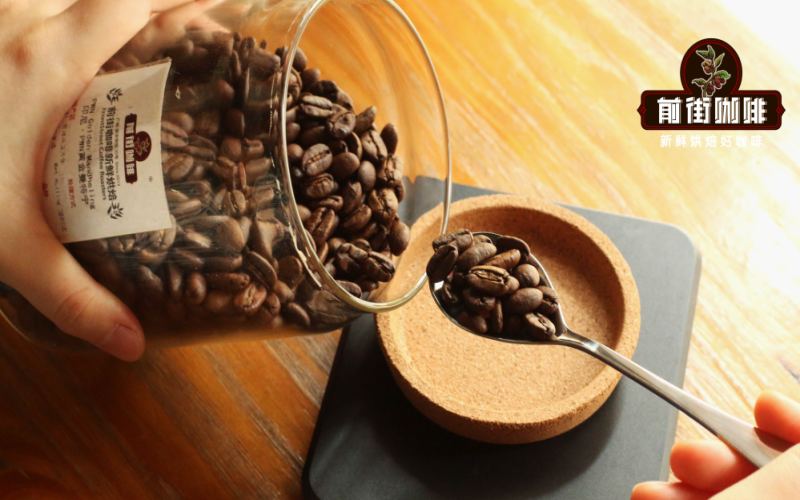
Caffeine Content Calculation | How Much Caffeine Is in a Cup of Pour-Over Coffee? What Is a Suitable Daily Caffeine Intake? What Determines the Caffeine Content of Coffee?
"Which coffee on the menu has the least caffeine?" "I really want to drink coffee, but I'm afraid I won't be able to sleep at night if I do~" In the eyes of most people, coffee is a beverage consumed precisely for its stimulating effect, but its own aroma also attracts a group of friends who pursue delicious flavors, among whom there are quite a few who are intolerant to caffeine yet "greedy for a taste" [more…]
ATAGO Refractometer Operation Guide: How to Convert TDS Readings to Golden Cup Extraction Yield
Front Street Coffee received a question from an enthusiast who wants to know how to get started with coffee concentration measuring instruments like ATAGO. This article will demonstrate the operating procedure of the instrument step by step, explain the meaning of the two readings, Brix and TDS, and show how to use the measured TDS value to calculate the coffee's extraction yield. The article will also introduce the two core standards of the Golden Cup theory—extraction yield of 18%–22% and concentration of 1.2%–1.45%—as well as the flavor characteristics brought by under-extraction and over-extraction, helping you more accurately judge whether a cup of coffee falls within the ideal range in your daily brewing. [more…]
How to determine the coffee-to-water ratio for pour-over coffee? From the Golden Cup extraction principle to Front Street Coffee's 1:15 parameter practical analysis
How exactly should the coffee-to-water ratio for pour-over coffee be determined? Front Street Coffee has always recommended 1:15, and this is not an arbitrary choice behind it, but a scientific calculation based on the SCA Golden Cup extraction theory. This article will start with the Golden Cup standard, the definitions of extraction yield and concentration, gradually explain the ratio ranges corresponding to different tastes, and use a Costa Rica Geisha blend as an example to actually calculate concentration and extraction yield, helping you find the brewing parameters that suit you between theory and practice. [more…]

How is the extraction yield of immersion brewing calculated? Concentration measurement and practical demonstration under the Golden Cup theory
In the Golden Cup extraction theory, extraction yield and concentration are the two core metrics for assessing the flavor state of coffee. However, coffee that falls within the ideal range is not necessarily delicious, and coffee outside the range is not necessarily undrinkable—the key lies in how to use these two values to help adjust the brewing plan. From the perspective of Front Street, this article first clarifies the basic definitions and ideal ranges of extraction yield and concentration, then explains in detail how to use two sets of concentration measuring tools, and finally uses the Santa Vini anaerobic natural beans as an example to fully demonstrate the entire process from weighing the liquid weight to plugging it into the formula to calculate the extraction yield. [more…]
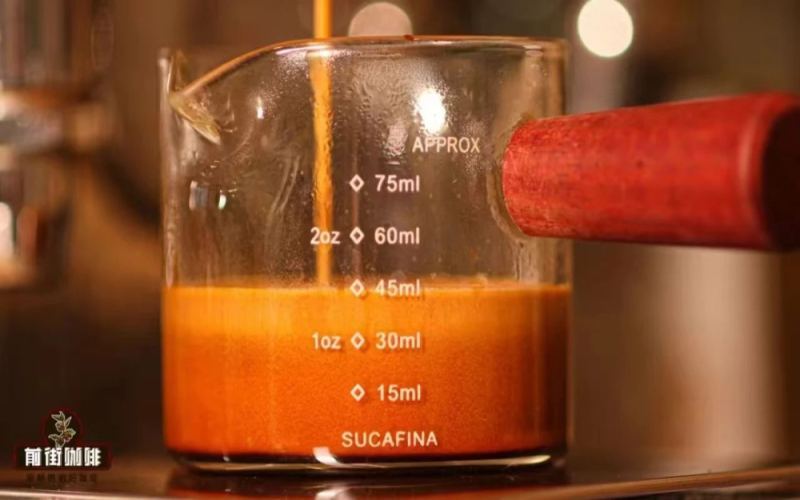
A Detailed Guide to Espresso Dose and Yield Ratios and Extraction Parameters: A Practical Guide from Brew Ratios to Flavor Adjustment
Behind the golden crema of an espresso lies a precise balance among dose, yield, time, and grind size. Many coffee enthusiasts want to recreate an ideal espresso at home, yet are often troubled by the flavor fluctuations caused by changes in parameters. This article starts from the calculation logic of the coffee-to-water ratio, systematically sorts out the mutual influences among extraction time, grind coarseness, and dose adjustment, and, combined with actual operating cases from Front Street Coffee stores, shows how to correct the extraction direction by observing flow rate and tasting perception. Whether you use a semi-automatic or fully automatic espresso machine, understanding the relationships among these variables can help you more efficiently dial in an espresso with rich vinous notes and thick crema. [more…]
In-Depth Analysis of Espresso Dose Control: Extraction Adjustment Strategies from Gram Weight Differences to Flavor Balance
Many coffee enthusiasts are intimately familiar with latte art and equipment, yet when it comes to espresso extraction, they often overlook dosing, puck management, and tasting judgment. In fact, dose control is just as critical as grind size adjustment—fluctuations in dose mean that even the most beautiful latte art cannot mask an imbalance in the coffee itself. Starting from the TDS and extraction yield formulas, and drawing on a 2.3-gram dose difference measured on a Mazzer Robur grinder, this article uses charts and data to illustrate the specific effects of dose on concentration, extraction yield, and the balance between acidity and bitterness, and explores approaches to dosing for light-roast espresso. Front Street Coffee also emphasizes the importance of dose consistency in its daily output, and we hope this article offers practical reference for your extraction adjustments. [more…]
How to Calculate the Pour-Over Coffee Grounds-to-Water Ratio? A Three-Pour Water Distribution and Step-by-Step Tutorial
The flavor of pour-over coffee depends on every detail from bean selection to extraction, and the coffee-to-water ratio is one of the most critical foundational parameters. This article will systematically explain the calculation logic behind the coffee-to-water ratio, the principles of staged pouring, and a three-stage pour-over workflow suitable for beginners. At the same time, drawing on the brewing experience of Front Street Coffee, from equipment preparation and coffee bean selection to the specific allocation of water for each pour, we will break down step by step the complete process of making a delicious pour-over, helping you build a stable and reproducible brewing framework. [more…]